


COULD I HAVE PREVENTED THIS??? -Uduak Ukpe
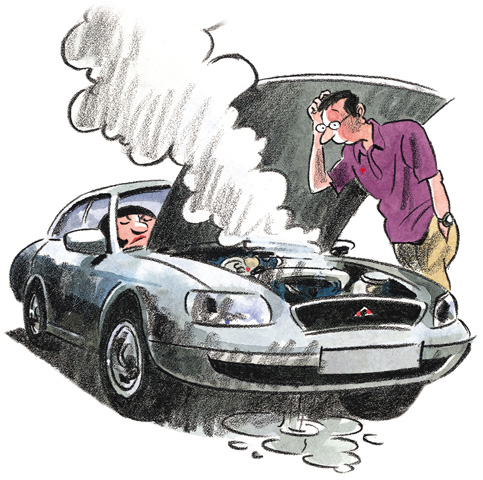
Have you ever been faced with the challenge of a broken down vehicle leaving you stranded in the middle of nowhere? or the air conditioner beginning to drip water inside the house or even a little thing like a door creaking continuously? And you ask yourself – “Could I have prevented this?”
Yes, you could have! The solution lies in Preventive maintenance…
It is a culture that should be imbibed by every individual regardless of their varying facets of life.
What does Preventive Maintenance (PM) mean?
Preventive maintenance (PM) is a fundamental, planned maintenance activity designed to improve equipment life and avoid any unplanned maintenance activity.

It also refers to regular, routine maintenance to help keep equipment up and running, preventing any unplanned downtime and expensive costs from unanticipated equipment failure. It requires careful planning and scheduling of maintenance on equipment before there is an actual problem as well as keeping accurate records of past inspections and servicing reports.
This maintenance includes:
- Systematic inspection
- Detection
- Correction
- Prevention of incipient failures
Preventive maintenance is the foundation of the entire maintenance strategy. Unless the PM program is effective, all subsequent maintenance strategies take longer to implement, incur higher costs, and have a higher probability of failure.
Preventive maintenance aims to:
- Eliminate unnecessary inspection and maintenance tasks
- Implement additional maintenance tasks when and where needed
- Focus efforts on the most critical items
In addition, preventive maintenance measures can drastically reduce errors in day-to-day operations, as well as increase the overall preparedness of plants in the case of an emergency.
The ideal preventive maintenance program would prevent all equipment failure before it occurs.
Preventive maintenance has the goal of improving equipment life by preventing excess depreciation and impairment. This maintenance includes but is not limited to:
- Adjustments
- Cleaning
- Lubrication
- Repairs
- Replacements
- Extension of equipment life
In preventive maintenance, equipment is repaired and serviced before failures occur. The frequency of maintenance activities is predetermined by schedules. The greater the level of preventive maintenance required, the higher the failure consequences.
Components are essentially inspected for corrosion and other damage at planned intervals, in order to identify corrective action before failures actually occur. Preventive maintenance performed at regular intervals usually results in reduced failure rates.
Due to the varying needs of different equipment, the type and amount of preventive maintenance required varies greatly. Due to this, it is extremely difficult to establish a successful preventive maintenance program without proper guidelines and instructions. The ANSI standards for preventive maintenance help to determine the type and frequency of inspections and maintenance procedures.
What Are the Benefits of Preventive Maintenance?
Preventive maintenance offers a number of important benefits including
- Prolonged life of equipment.
- Less unplanned downtime caused by equipment failure.
- Less unnecessary maintenance and inspections.
- Fewer errors in day-to-day operations.
- Improved reliability of equipment.
- Fewer expensive repairs caused by unexpected equipment failure that must be fixed quickly.
- Reduced risk of injury.
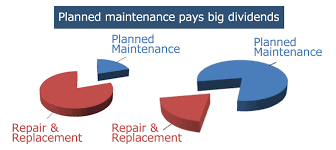
Ideally, a preventive maintenance schedule will prevent all equipment failure before it occurs. It will save time, reduce costs, and keep an operation running efficiently and productively.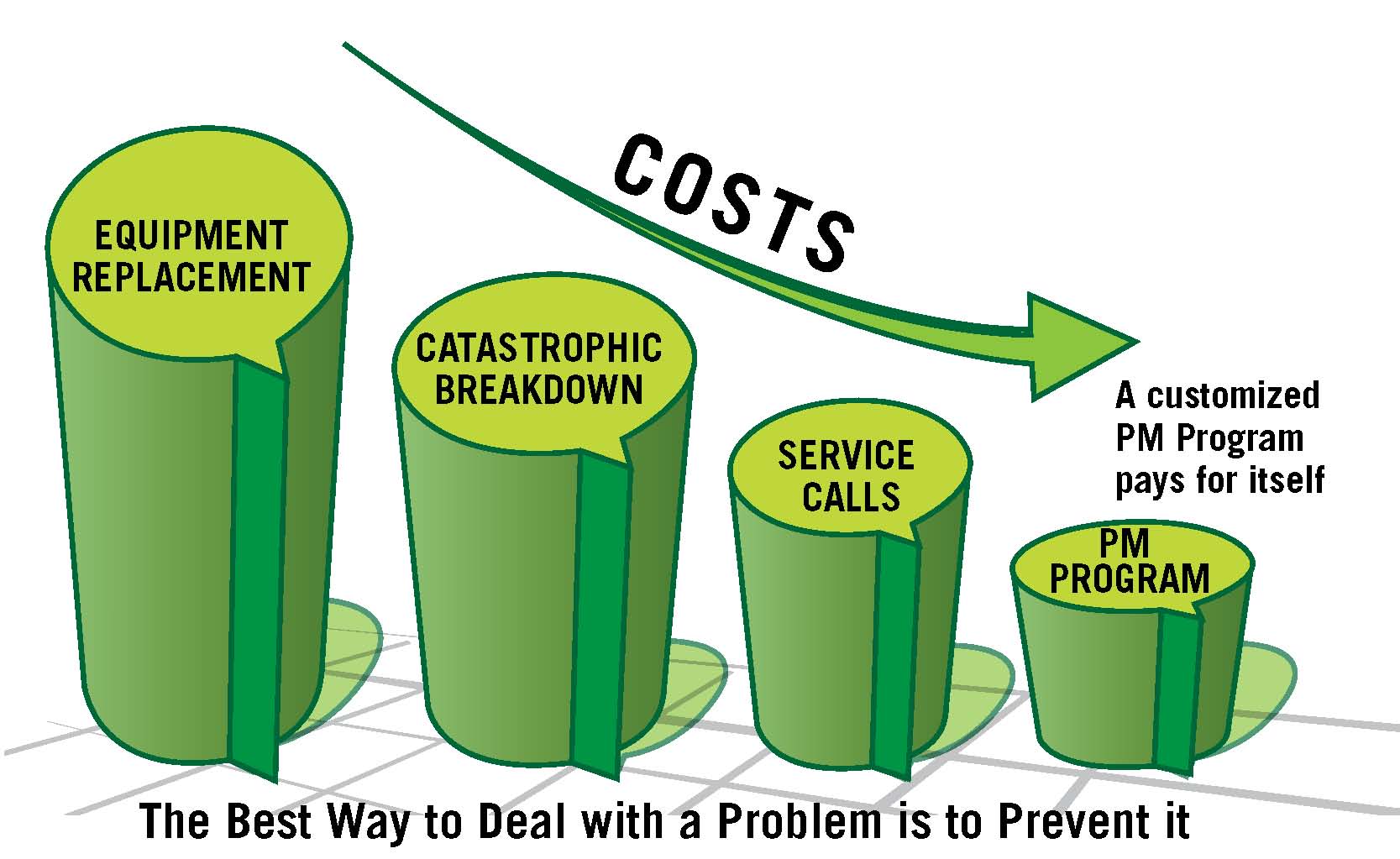
|
 Let’s make it a culture…
Sources