23 Oct

THRU TUBING WELL INTERVENTION

THRU TUBING WELL INTERVENTION

THROUGH TUBING WELL INTERVENTION:

A STRATEGY FOR PRODUCTION ENHANCEMENT – Emmanuel Osuji
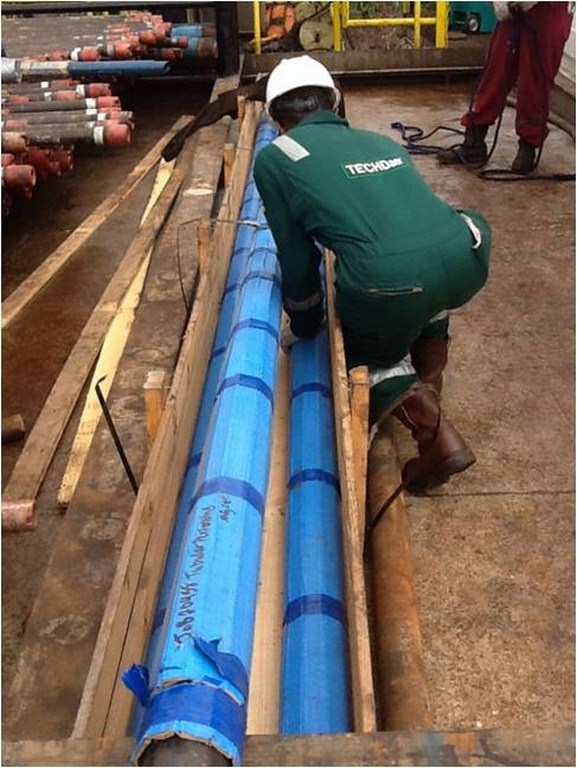
 

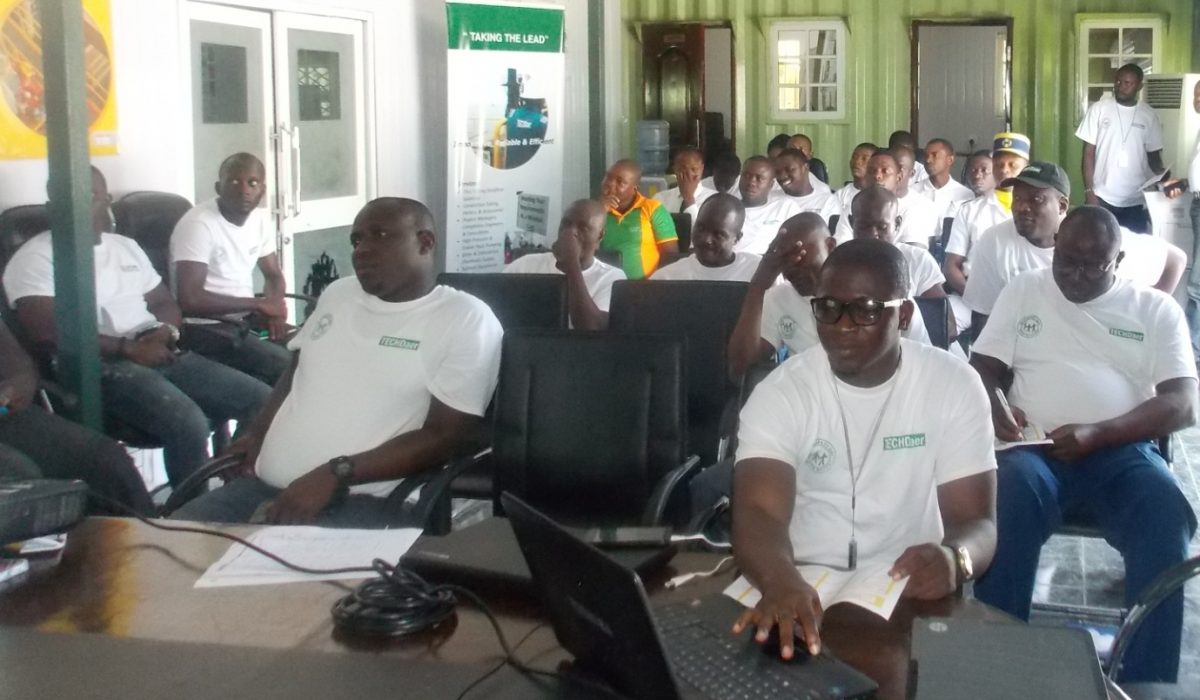
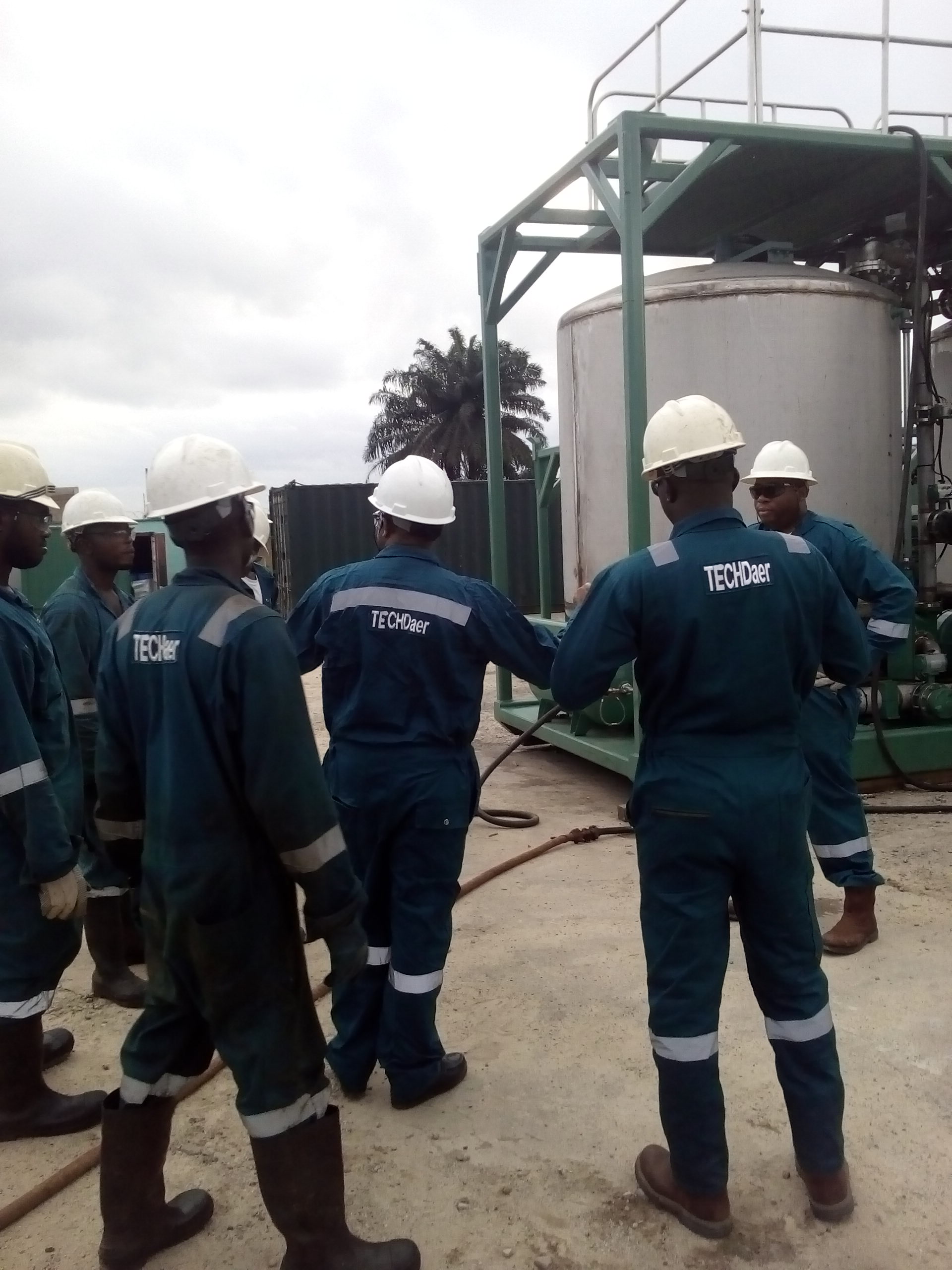
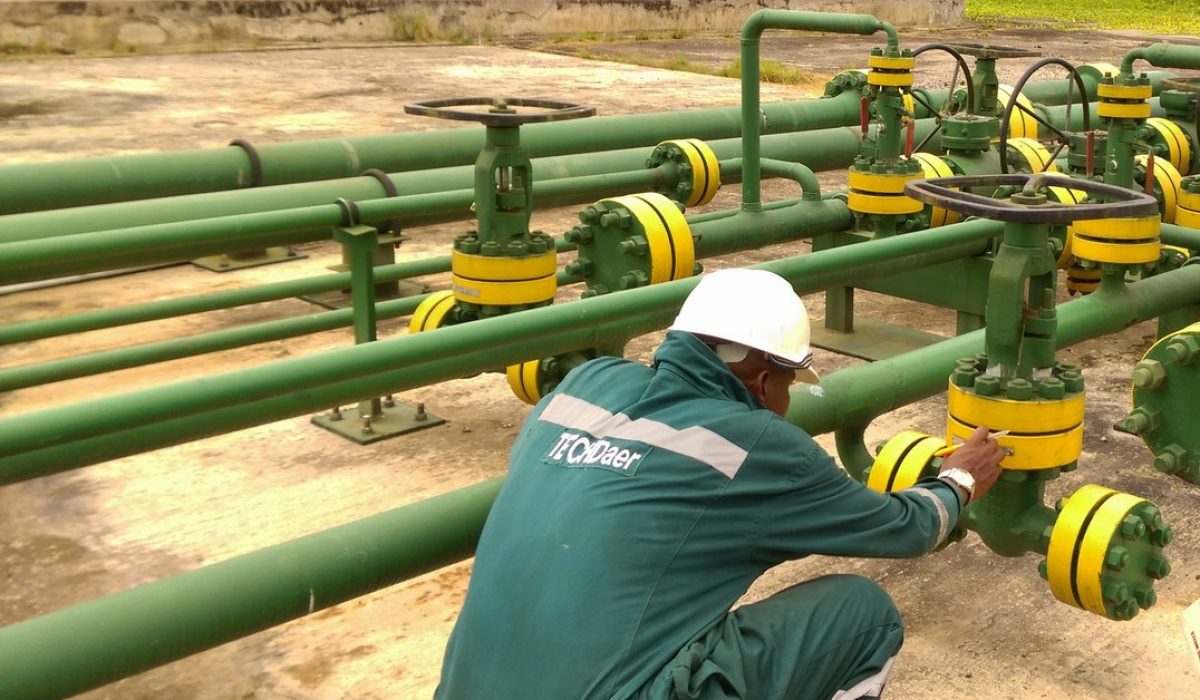
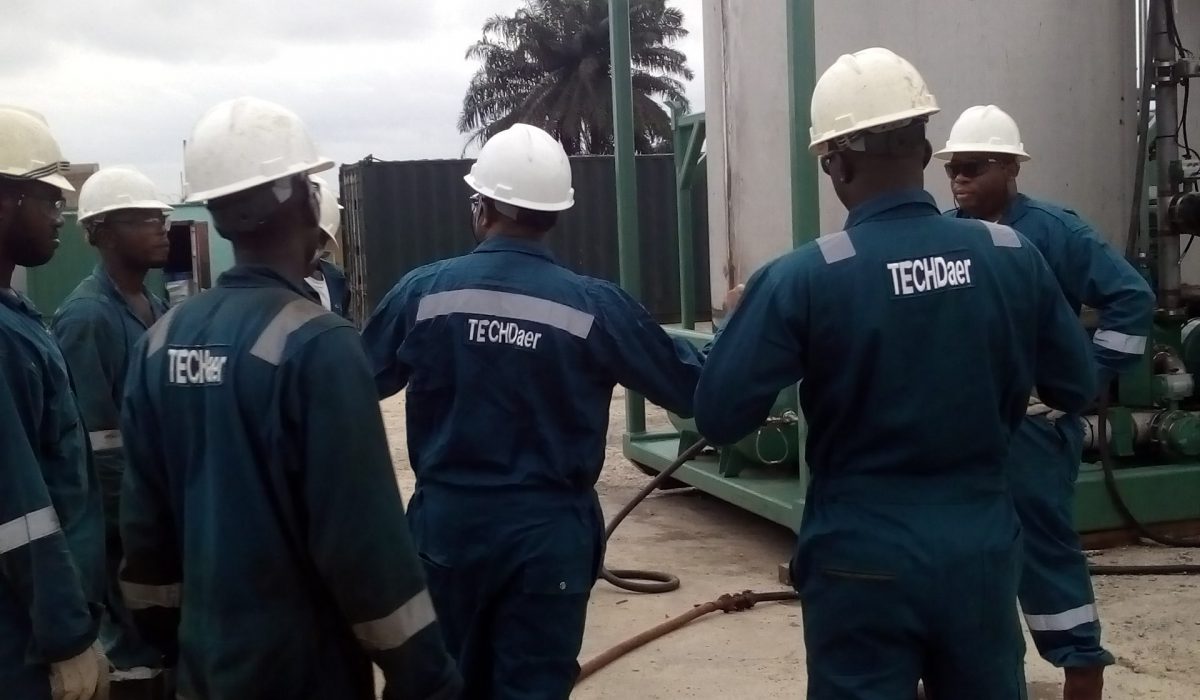
picture3-copyAs demand for hydrocarbons continues to increase, targeted approaches for extracting reserves are critical to ensuring economic viability. Service companies that can diagnose, plan and execute with broad portfolio of services tailored to meeting needs will play a pivotal role in hydrocarbon recovery. Rigless well intervention is one way to reduce cost and risk while still increasing production and return on investment. It is a process that enhances the quality of the oil and gas wells, provides data to help manage the production rate of the well or shuts off and safely abandons a flowing well.One of the biggest challenges in well intervention is keeping costs down. So rigorous and extensive preplanning is used to identify the best potential solutions while mitigating a multitude of known and unknown risks. Among all the various types of well intervention operations, through tubing is the most commonly applied intervention method in enhancing producing oil and gas wells. Through-tubing enables recompletion, stimulation or repair work to be done inside a flowing oil or gas production line for the entire length of the well. This procedure is used to complete many different tasks including the removal of obstructions inside the well that may be blocking the flow of hydrocarbons, simply evaluating the well’s condition, stimulating the well chemically or repairing a damaged well casing. Each job requires a specific type of tool that can be delivered down inside the well itself and in light intervention procedures the systems used include coiled tubing, electric line (e-line), slickline and braided wireline.


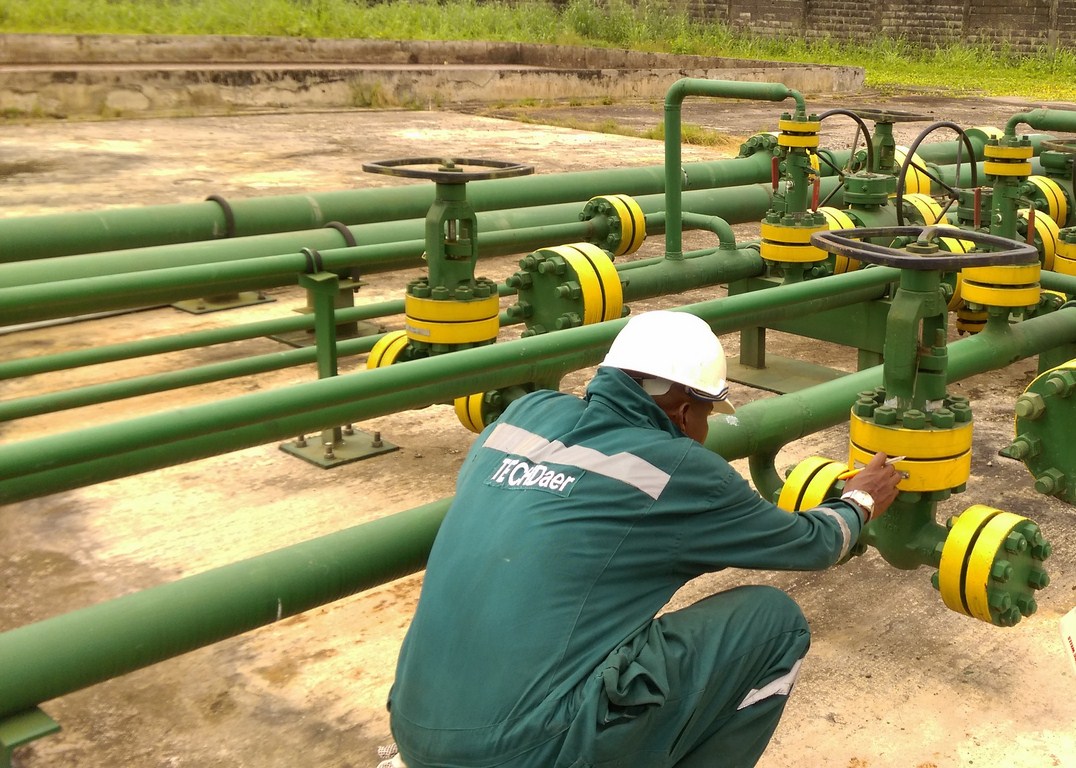
TECHDaer has an extensive range of Thru-Tubing downhole tools system to optimize well production and at the same time minimise the risks associated with well intervention.Our tool systems include: Screen Hangoffs, Vent Screen Installations, Thru-Tubing Gravel Packs, Retrievable Thru Tubing Bridge Plugs, Tubing Patch (Straddle Packs), Thru-Tubing Cement Retainers, Isolation Packers, Inflatable Packer Systems. TECHDaer thru-tubing tools can be deployed via Coiled Tubing, Electric-Line, Slick-Line, DrillPipe, Tubing. TECHDaer has a vast array of thru-tubing equipment coupled with our skilled technicians and sharp execution of proven processes perfected through years of service. We can efficiently and effectively address a range of thru-tubing application.We deliver outstanding quality services to our clients, which range from major oil & gas companies to independent operators irrespective of their operating environment because we understand the field better and always strive to deliver the specialized services needed by clients with our Expertise, Equipment, Flexibility and Customization.


 

23 Oct

MY COUNTRY MY HOME

MY COUNTRY MY HOME

AN EYE ON THE ENVIRONMENT

MyCountry! MyHome!

Protecting the Nigerian Environment for PosterityJosiah Diaso      

joe-3In the year 2000, about 175 scientists were commissioned by the United Nations to assess the health of the global ecosystem; they discovered a general decline in the ability of the earth to produce the goods upon which humans depend. The findings by this research poses serious concern for all and sundry; Governments, corporate organizations, industrialists, and even individual families struggling to make it to their next meal. Let me spell it out in very clear terms, THE EARTH IS GETTING POORER BY OUR EVERY USE, AND WE ARE THE WORSE OFF FOR IT.
The traditional index of National economic accounting, the GDP only provides us a false sense of security in its computation of National wealth. This is so because characteristically, it does not account for natural stock; it is only actually a measure of consumption, what in economic terms is referred to as throughput. It becomes worse with the incessancy with which resources are exploited and waste deposited in what was perceived as an inexhaustible capacity of the earth to produce resources and absorb our waste. The many wars – which are nothing more than resource wars-; Militancy, civil strife and acts of terrorism, have only served to exacerbate an already dire situation.

The earth is being pushed to its very brink over the last few decades by economic pursuits, wars and civil strife, threatening the very existence of the human race and every other organism that inhabit the earth. The deleterious impact of traditional industrial production is legendary, and it goes without mentioning.

The United Nations on 31st October 2012 announced that the population of humans on the earth has reached 7 billion people. This and sheer “Greed in consumption” by many powerful Nations will fundamentally put the globe in a trap that is very difficult to come out from. The Earth that we call our home will turn against us in angst for a poor stewardship towards her. Many Scientists posit that the threat of climate change is very potent, and it poses a possible calamity for people everywhere in the globe. There will be and as a matter of fact there is already in many places of the globe wide-scale food shortages triggered by an abrupt change to conditions not suitable for the growth of many traditional food crops.

Extreme weather conditions would lead to outright crop failure in many regions. The drought that hit the “horn of Africa” in 2012 resulting in widespread crop failure and starvation has been called the worst drought since recorded history.

Nigeria has not been spared her fair share of ecological disaster; floods continuously ravage the southern fringes of the country during the wet seasons, deforestation in grand proportion chiefly to free up land for agricultural and construction purposes continuously reduces the vegetation of the Nigerian ecosphere. Desert encroachment in the Sahel vegetation has resulted in a barren landscape that threatens the livelihood of those inhabit ng the region.

Our home has now turned around to be the potential source of our death…

What We Must Do…

It is important to assert that the quality of life and sustenance of any society is a reflection of the quality of their Environment (Agricultural productivity, natural/mineral resources and topography, pristine atmosphere devoid of atmospheric pollution, clean waterways for domestic usage and for aquatic resources). Poor stewardship towards the environment will lead to a serious decline in the habitability of our environment.

We can help reverse the trend and ensure that our life sustaining system is preserved by;

  • Avoiding indiscriminate disposal of waste: having dedicated waste bins for our waste and using them will go a long way to ensure that we do not litter the environment which will in turn harm us. We must realize that there is no “away” for our waste; every item we dispose of indiscriminately has a way of getting back at us. While on a vehicle, it is actually irresponsible to toss waste out of your vehicle windows, it creates the type of problem we all complain about.
  • Responsible consumption: Mahatma Ghandi once quipped during an interview that “there is enough for every one’s need, but never enough for every one’s greed”. One of the most potent threats to the earth’s ecosystem is the rate at which we consume resources which sometimes amount to wastages.

We can start on our journey towards responsible consumption by;

* Turning off our taps when we are not using them
* Putting off electrical supplies when we are leaving our homes, Giving out things we no longer use instead of discarding them,
* Reducing the portion of food we eat at a go (It is even actually recommended for healthy living),
* Re-use items such as Polyethylene and plastic bags or cans

  • Plant a tree: Trees are referred to as Primary producers in the ecosystem for good reasons; they provide both the oxygen we need for breathing and the food we and other animals require for sustenance. Planting a tree is hence one sure way of replenishing nature. This plus the fact that it provides an aesthetic to the environment that has been fingered to dramatically improve mental health makes planting tree a productive exercise.
  • Take a walk: Fossil fuel consumption has been identified as one of the culprit of the current ecological disaster threatening the global ecosystem. On the individual scale, our carbon footprint can be drastically reduced if we reduce the amount of time we go on our vehicles. Car-pooling has been recommended when it is possible, and when the distance is not very long we can go for a walk (it is actually good for the heart). Behavioural change on the individual and societal scale is a must if we must protect our life-sustaining mechanism.

The actions as is recommended here are only there as a guide towards right behaviour, the discipline required to make relevant changes must be mustered by all. Attempts to meet short term survival need must not be at the expense of long term sustainability if we must win this race against time to save our home. As protector of the Nigerian environment everyone must partner with the relevant agencies in developing strategies to tackle current and anticipated future challenges. This will ensure providence for the present generation without compromising the ability of the future generation to provide for itself.

Let us join hands together and save our home…

23 Oct

ENSURING SAFETY

ENSURING SAFETY

ENSURING SAFETY THROUGH PRE-JOB ENGAGEMENTS

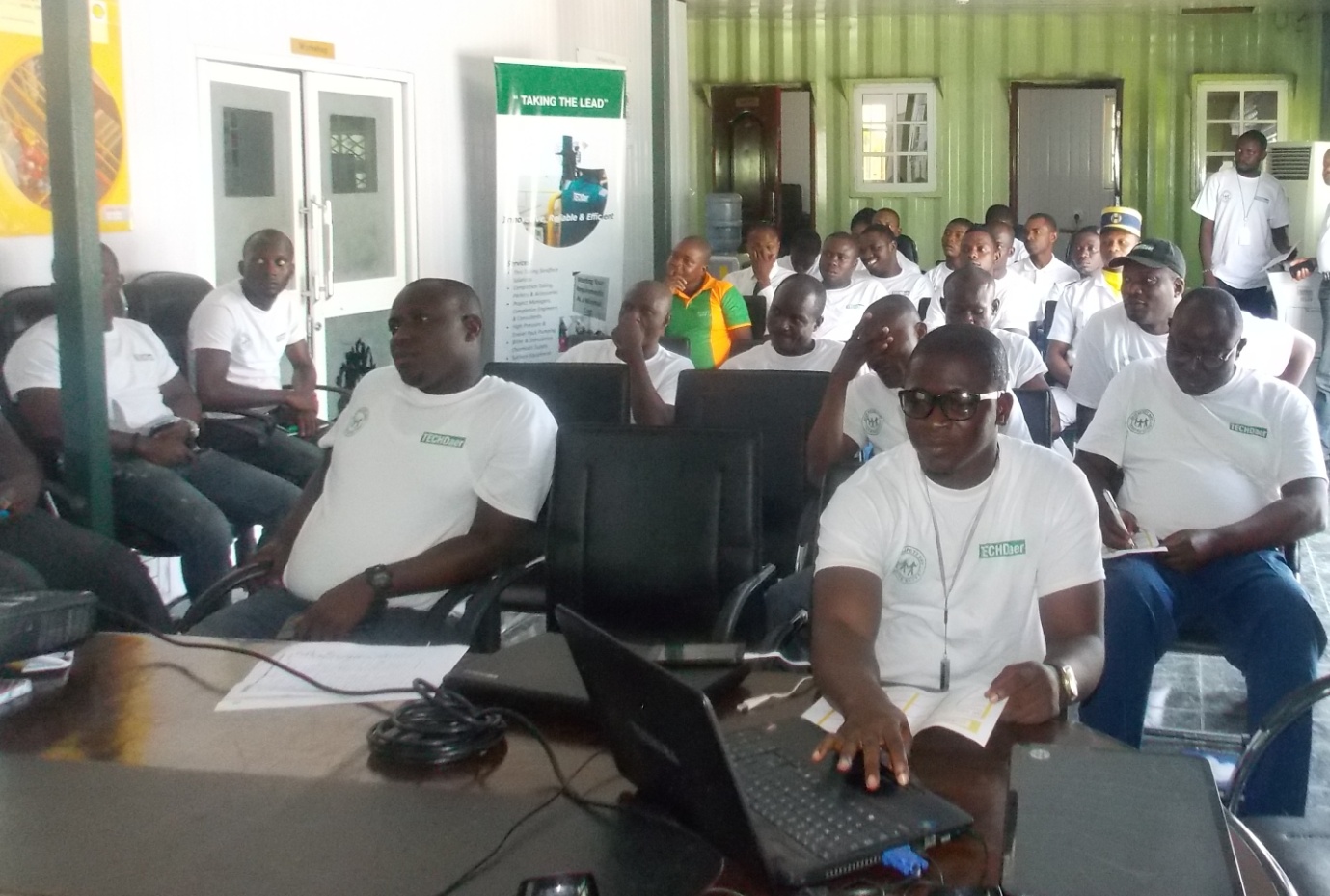
It is without gainsaying that the success of a job depends largely on the planning and overall activity that takes place before the job. This can be said also for the safety of any operation. In most cases, the pressure to meet up with deadlines and relatively scarce resource focuses most operations on the nitty-gritty of the job. Safety of the operation in such cases depends a lot on the activities that are engaged in before the job commences. It is in attempts to mitigate this that most establishments have safety personnel who focus exclusively on safety. However I think safety of the operation is not necessarily the job of the safety officer, but the job of everybody. What the entire team can do to ensure the safety of operations therefore is actually done before the job commences. Some important actions that will largely reduce the risk profile of operations are summarily discussed here

Pre-job Inspections: It is my strong conviction that pre-job inspection is highest in the list of actions that have the potential to avert accidents on the job. What it does is to create an opportunity to “step back” and reassess the different components (Equipment, tools, materials, the environment and even the personnel) to ensure fitness for purpose, more like “Walking the line” with a broader scope. This activity is a very important line of defence (Barrier) that if properly and judiciously done can be the difference between a safe operation and one that is not.

Job safety Analysis: Job Safety Analysis or Job Hazard Analysis as is severally called is simply an indispensible tool for safe operations. People must know what they are going up against so that they can plan how to best achieve their goals. Job Safety Analysis does exactly that for operations. It is actually a must if people will go home to their family in one piece. It unveils the hazard that avails on a task to task basis and it gives clarity to the team as to what controls can be put in place to achieve a safe operation. JSA becomes even more effective when barriers identified are assigned and owned by specific individuals. The JSA is a major focus during the pre-job safety briefing.

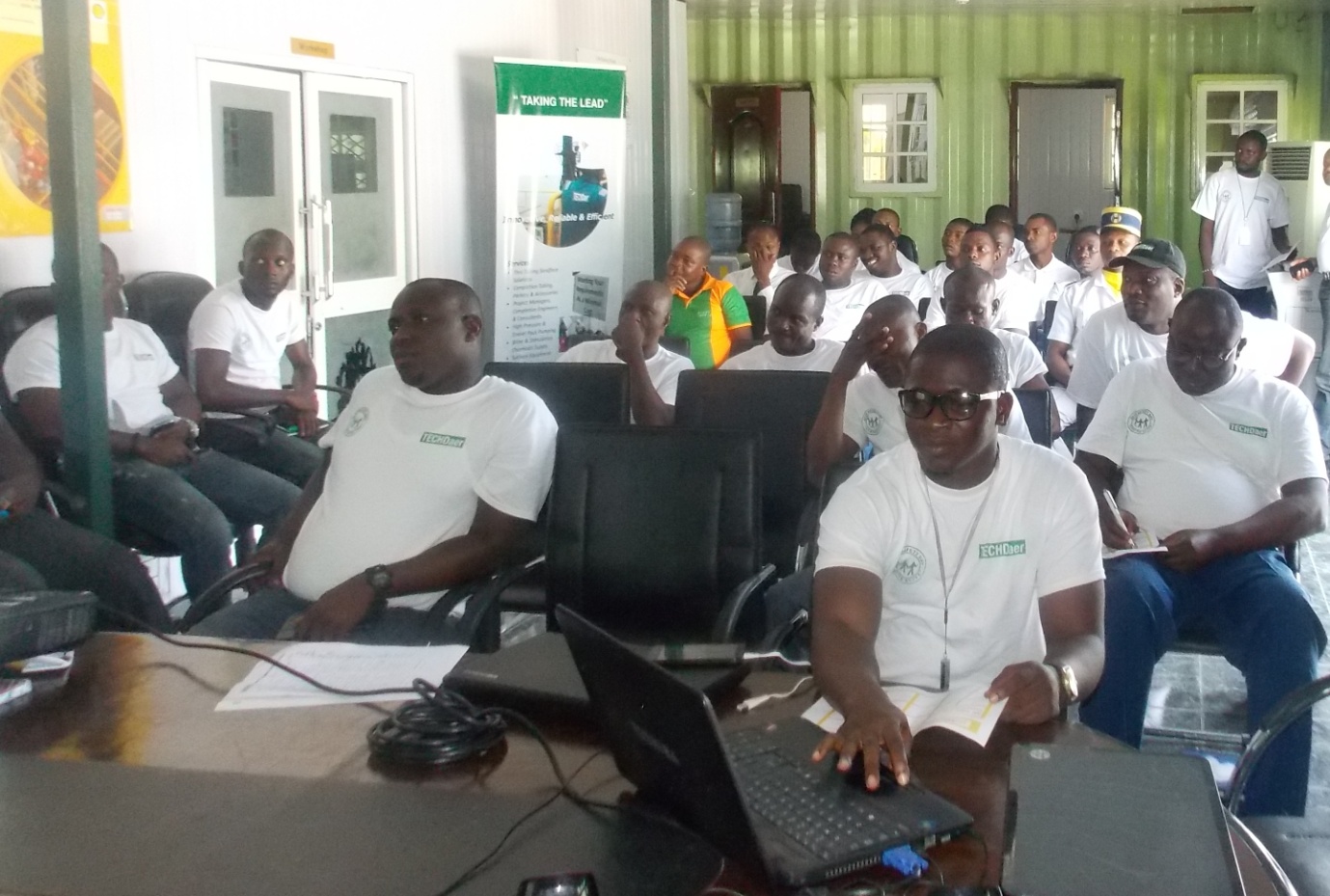
Pre-job Safety briefings (Tool Box Meeting): This is Standard Procedure to ensure that everybody who is a part of the operation understand that risks involved, the mitigation plan and the role of the various individuals who will be involved in managing the different barriers, and finally it serves to detail the job procedure and who does what through the entire operation. Pre-job Safety Briefing is important as it creates clarity in the minds of everybody involved. It is an opportunity to ask questions and clarify on grey areas of the operation so that due to uncertainty people do not take action that will put themselves and/or the entire operation at risk.

These simple yet profound steps are a part of a broader process safety framework that if taken seriously and done methodically is almost guaranteed to ensure that people go back to their family safe.


23 Oct

ALARP IN THE FACE OF DWINDLING OIL PRICE

ALARP IN THE FACE OF DWINDLING OIL PRICE

 MANAGING SAFETY

ALARP in the light of dwindling oil prices

With the increasing awareness of the need to create management systems to adequately manage HSE issues in work and industrial environments; made even more significant by the 1988 Piper Alpha disaster off the coast of Aberdeen, and more recently the gulf of Mexico oil spill disaster otherwise called the Macondo Blowout in 2010, As Low As Reasonably Practicable (ALARP) has been increasingly touted as the point to which every risk reduction in workplaces must have as reference point. The concept of ALARP however has proven to be a flexible concept, giving room for risk reduction decisions to be taken on the basis of factor consideration revolving around what each player (establishment or individual) considers as reasonably practicable. The legal implication of this flexibility will be discussed a little later, but it needs to be mentioned from the offshoot that ALARP not being a rigid concept creates room for influences on the point of ALARP that makes it differ under different conditions (economic and otherwise). This peculiarity of the concept informs a critical consideration of the reality for ALARP posed by the sharp drop in oil price, which can be seen as a drastic change in conditions having the capacity to engender a change in ALARP across different establishments.

2

 The Economics of ALARP (Risk Tolerability)

Central to the concept of ALARP is Cost Benefit Analysis. The question that most risk reduction attempts to answer is “At what cost does a further reduction in risk become reasonably practicable, given the benefit?” Put differently, what is tolerable given the benefits? What is deemed to be tolerable depends on who is doing the deeming and what considerations exerts the greatest influence over his decisions, and of course we must remember that establishments that have profit making and maximizing motives consider the effects on profit of whatever decisions are taken to reduce risk and hence the level of risk they are willing to tolerate. However, the words of Kaplan and Garrick [1981] become very instructive when they asserted that “there is no such thing as acceptable risk; that because of its very nature risk should always be rejected, and it is only the chance of benefits that leads us to tolerate certain risks.” On the other hand it must be noted that if it were possible, no establishment want to have to live with the risk of injury and possibly fatality to any of their employee; elimination is rightly the highest in the hierarchy for control of hazard and risk, but in most cases not the preferred line of action. The question of “reasonably practicable” is always posed. Some levels of risk therefore must be tolerated in view of constraint set by cost benefit analysis of risk reduction.

Risk is tolerable if its reduction is impracticable or if the cost of reduction is grossly disproportionate to the improvement gained. This point represents ALARP. However it must be noted that the interplay between reduction cost and the improvement gained; as many analysis are preoccupied with, only in terms of additional fortification of the safety system is insufficient. In the light of current price drop in oil, Considerations have shifted on risk tolerant behaviour of establishments primarily as a function of profit margins in economic transactions in setting ALARP. The truth is, it does not make economic sense to continue engaging in a business activity that has the cost of risk reduction threatening the very existence of the establishment, even if the additional cost of risk reduction measures is proportionate to the improvement gained (significant improvement in the safety system). One of two things must happen therefore, either the company reduces to ALARP (point beyond which diminishing returns start setting in primarily as a function of input in reduction measures and how it affects the significance in improvement of safety) and struggles to stay afloat against a tide that threatens to sink it with every risk reduction, or the company reduces risk to a level As low As Economically Viable (ALAEV) for the company.

The legal angle…

The legal imperative of the ALARP principle is tied to the concept of reasonably practicable

The legal definition on ALARP was set out in England by Lord Justice Asquith in Edwards vs. National Coal Board [1949] who said:

‘Reasonably practicable’ is a narrower term than ‘physically possible’ and seems to imply that a computation must be made by the owner, in which the quantum of risk is placed on one scale and the sacrifice involved in the measures necessary for averting the risk (whether in money, time or trouble) is placed in the other; and that if it be shown that there is a gross disproportion between them — the risk being insignificant in relation to the sacrifice — the defendants discharge the onus on them’. In clear terms, the efforts on risk reduction must be at least as significant as the level of risk.

From this definition, proportionality is primarily drawn between input in risk reduction and level of reduction attained. However, three important factors must be brought to bear upon which judgement can be based after careful evaluation; First, Input (time and resources) of reduction measures, second, Significance of output (level of fortification of the safety systems as a measure of input) and third, how risk reduction effort affects profit margins. This three must be weighed against each other in different combinations to ascertain what at any given point amounts to ‘reasonably practicable’.

In view of current realities in the oil industry, one must note that with regards to decision making by establishments that wants to maintain certain cost profile in view of reduced opportunities for gains in service delivery, “unprofitable” may rise up the risk ladder to what was erstwhile an intolerable level of risk. The concept of ‘reasonably practicable’ is therefore central to management of risks in our work location, and it impacts greatly on levels of risk that are tolerable. For one, “it allows operators to set goals for their own safety performance rather than following prescriptive requirements” (www.hse.gov.uk).

Much as the advocacy is to make significant fortification in safety systems, the recent crash in oil price has reminded us that safety systems are only a part of an economic system and must not be seen to be working against the system of which it is but a unit.

Realistically, the drop in oil price appears to present a safety risk of its own, and this time more like the role of a virus that eats up the defence of a body, it has the potential to create error enforcing conditions and weaken safety systems as funds are focused more on core production inputs and less on support services like HSE. As companies struggle to cope with the oil crash, cost-cutting seems to be the new anthem that reverberates through the industry. Naturally of course, with a drop in price of a commodity, measures must be taken to reduce production cost.

Ordinarily, the drop in oil price would have been an indication of a corresponding drop in production factors; in this case, ALARP would remain relatively the same as it compares with all other production factors. However, since oil price is controlled not necessarily by the invisible hands of the market but political manoeuvrings, it becomes a strain on all factors of production to keep up with oil price; a clear reverse being the case.  The risk this present for the oil and gas; which unfortunately is a very high risk industry, is that price drops will either directly or inadvertently affect safety, not forgetting that the cost of safety can be seen as part of the production cost, even if it is not a core production input. Support of my position can be found in the assertion of Robert Bea, engineering professor at the University of California, Berkeley, and head of the Deepwater Horizon Study Group, when he avowed that cost cutting as a result of low oil price could reduce the incentives for staff working on rigs to follow safety procedures. He said that “the low oil price could increase the risk of environmental accidents in offshore drilling by forcing contractors to cut costs.” This is evidenced by the findings in the third progress report of the Deepwater Horizon Study Group (DHSG) released in December 1 2010 that affirmed that the fatal blow-out on 20 April in the Gulf of Mexico were taken to save time and money. According to the White House oil commission, “Whether purposeful or not, many of the decisions that BP, Halliburton, and Transocean made that increased the risk of the Macondo blowout clearly saved those companies significant time (and money)”. The oil spill in the Gulf of Mexico was an avoidable disaster caused in part by a series of cost-cutting decisions made by BP and its partners, the White House oil commission concluded.

As the oil price plummet continues, the prize (Cost savings) increases for “risky behaviour” by establishments and hence increase in risk tolerability ensues.

The Nigeria Scenario

The foregoing presents a dicey situation in the Nigeria context. This is the case because first, Nigeria depends almost exclusively on crude oil sales as a revenue earner for the country. A drop in oil price only means a reduction in the amount of money available to run the country, and then again make regular contributions in the Joint Venture (JV) Partnership required to foster production in the oil and gas business arrangement. This serves as an added strain on the already very tight noose wrapped around the production of oil and gas in the country. If contributions from a JV partner having a share as high as 60% in the arrangement dry up, stringent cost-cutting measures would necessarily be required to keep production going, as was recently experienced in the country. Secondly, estimates put the unit cost of production of crude uncomfortably close to the price of production. According to the Project director for the Uquo gas field development, Alhaji Abdullahi Bukar “The unit technical cost of many oil producers is not far from $30 per barrel, he said that the average production cost for many fields in the country is about $25, with some fields as high as $28. The situation that this presents in the Nigeria context has the capacity to shoot risk tolerability beyond the roof as many oil producers are forced to cut down production cost by retrenching staff some of which might be key in the management of safety infrastructures within the establishments, to outright demobilizing key safety infrastructure that may be perceived as excess to requirements in production.

What can be done…?

Deepen the safety culture

Expectedly, when resources are strained in production, more intelligent and cheap solutions are sought to enable goal attainment even in the face of constraint. The life and safety of personnel cannot be sacrificed on the altar of profit, therefore the safety agenda must still be put in the forefront of oil and gas production. The truth is, the cost of accidents can be really high when corners are cut to favour production at the expense of safety; the cost for fines, compensations and other payments, the lost time for short down to enable investigation, litigation fees, and overall negative reputation. From most recorded incidents, a single strand tends to run through them, and it is the issue of culture which is expressed through behaviour; either corporate or individual behaviour that tends to undermine safety systems. One area that can therefore be explored rigorously in attempts to keep the risk profile of activities low even in reduction in resources to manage risk is to deepen the safety culture of the team. This can be achieved through focus on two key areas; Commitment of Leaders and Employee Engagement

Commitment of Leaders

More involvement of Top management, Managers and team leaders is sought for now more than ever to promote and deepen the safety culture. The entire team look towards management whose collective body language and disposition will set a tone that will serve as the culture of the entire team towards safety. Managers must push the safety agenda into every discussion with the team, rewards for outstanding safety performance and interventions will serve as impetus for all team players to be more involved. Enthusiastic involvement of senior managers in HSE programmes not to be seen as a mere formality, and making required financial commitment when resources will not be strained to attain corporate goals will play major roles to sustain safe systems of work.

Employee engagement

Training

Training has proven to be a reliable way for behaviour modification; it has a dramatic effect on safety related behaviour. Carefully selected training focus will go a long way to equip employees with the information required to seamlessly integrate safe systems of work into their operation from the planning stage to such an extent that no time is loss through laborious HSE engagements during execution of the job which could eat up valuable time. Safety becomes a way business is conducted.

Safety Communication (Open and Close cycle meetings)

Safety communication is very important first and foremost as a way of building team spirit. It can also enable awareness creation of risks in and around the workplace. Open and closed cycle meetings are very important, as the name implies, prior to the commencement of daily tasks, the team meets to do a preview of the days job, highlighting key HSE issues and controls that may affect the safety of the job (Open cycle or Before Action Reviews), while at the end of the day’s activity a review of actions and learning points are discussed as a way of assessing both safety performance and overall performance of the job. This type of engagement plus Tool Box sessions, Hazard communication meetings and scheduled HSE meetings will serve to keep the safety culture alive.

Employee consultation

Employee consultation is another area that can serve to help deepen the safety culture of the team. Most safety issues that arise are caused by employee behaviour and have either a direct or indirect effect on the employees. This is not to take away the significance of latent causes of failure of safety systems that can be tied to management failures and other such barrier that could have eliminated error-enforcing conditions.

When employees are consulted widely about issues that affect them and the organization, there is a deeper sense of belonging that serves to foster commitment from them to do the right thing. Participatory involvement in a framework of both a Top-Down and Bottom-Up approach will allow for a synthesis of concern from management and the entire workforce which will then result in more robust decisions.

The price crunch in the oil sector does not look like abating soon. According to U.S Energy Information Administration, oil price will remain low through 2016 to 2017. Efforts need to be started, intensified and sustained with long term sustainability of efforts as the goal. If prices for oil pick up and boom, lessons learnt during periods of lows will mean that cheap and efficient options are available to manage safety systems and as a result ALARP in the nearest future will be as low as to result in almost elimination of the risk.

1