



#LETS TALK – DEPRESSION – Uduak ukpe
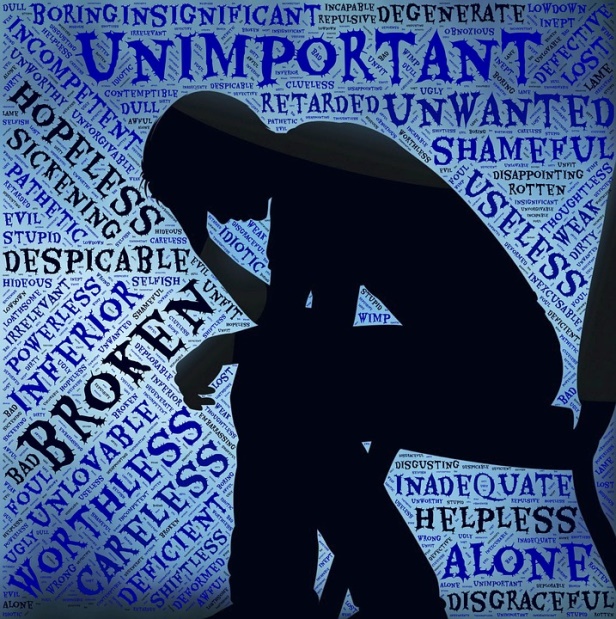 Sadness, feeling down, having a loss of interest or pleasure in daily activities - these are symptoms familiar to all of us. But, if they persist and affect our life substantially, it may be depression.
Recently, not just in Nigeria but around the world there has been an increase in the number of suicide cases according to statistics. The current trend in the nation’s economy where all we hear is recession day in day out, the constant loss of jobs, the continuous increase in the prices of everything especially food stuff and the general hardship being faced right now is enough reason to be depressed, or don’t you think so?
Going by the state of the nation currently, I think a greater percentage of the populace should be walking around depressed. However, this is not so and I feel the difference lies with how we as individuals handle the varying issues we face in life.
Depression is a state of mind so LET’S TALK ABOUT IT!!!
There are a few points to note about depression that I will quickly highlight.
- Depression is an illness characterized by persistent sadness and a loss of interest in activities that you normally enjoy, accompanied by an inability to carry out daily activities, for at least two weeks.
- In addition, people with depression normally have several of the following: a loss of energy; a change in appetite; sleeping more or less; anxiety; reduced concentration; indecisiveness; restlessness; feelings of worthlessness, guilt, or hopelessness; and thoughts of self-harm or suicide.
- Something that can happen to anybody.
- Not a sign of weakness.
- Treatable, with talking therapies or antidepressant medication or a combination of these.
What causes depression?
The causes of depression are not fully understood and may not be down to a single source. Depression is likely to be due to a complex combination of factors that include:
- Genetics
- Biological - changes in neurotransmitter levels
- Environmental
- Psychological and social/psychosocial
Some people are at higher risk of depression than others; risk factors include:
- Life events - for example, bereavement, divorce, and poverty
- Personality - less successful coping strategies, for instance
- Genetic factors - first-degree relatives of depressed patients are at higher risk
- Childhood trauma
- Some prescription drugs - including corticosteroids, some beta-blockers, interferon, and reserpine
- Abuse of recreational drugs (including alcohol and amphetamines) - can accompany depression or result in it. There are strong links between drug abuse and depression
- A past head injury
- People who have had an episode of major depression are at higher risk of a subsequent one
- Chronic pain syndromes in particular, but also other chronic conditions, such as diabetes, chronic obstructive pulmonary disease, and cardiovascular disease
Common types of Depression
- Major Depression
This type causes symptoms that may:
- Begin suddenly, possibly triggered by a loss, crisis or stressful change
- Interfere with normal functioning
- Continue for months or years
It is possible for a person to have only one episode of major depression. However, It is more common for episodes to be long lasting or to recur several times during a person’s life
- Dysthymia
People with this illness may be consistently and mildly depressed for years. They function fairly well on a daily basis, but their relationships and self-esteem suffer over time.
- Bipolar Disorder
People with this type of illness change back and forth between periods of depression and periods of mania (an extreme high, sometimes with agitation or irritability).
- Symptoms of mania may include:
- Less need for sleep
- Overconfidence
- Racing thoughts
- Reckless behavior
- Increased energy
- Mood changes are often gradual, but can be sudden
- Seasonal Affective Disorder (SAD)
This is depression that coincides with changes in the season.
Dealing with Depression

“If you or someone you know has symptoms of depression…
Take Action!! ”
- See a medical doctor for a complete checkup. Some medical problems, such as an under-functioning thyroid, can cause depression.
- Go to the counseling center and talk with a professional counselor.
- Talk things over with an understanding friend or family member
- Don’t expect too much of yourself until your energy and mood improve
- Take a break
- Get some exercise
- Avoid extra stress and big changes
- Reduce or eliminate the use of alcohol or drugs
- Eat a proper, well-balanced diet
- Establish a regular sleep pattern
Remember, depression is a temporary difficulty, not a reflection of your whole life or self-worth.