


The eye is known to be the window of the human body.
Proper care should be taken to ensure our eyes remain healthy and does not go bad.
It may interest you to know that eye diseases are amongst the category of diseases that creeps in gradually after a very long time of abuse or exposure to unhealthy factors. Getting familiar with the factors that can affect the eye is the first step to avoiding them and keeping our eyes safe.
Effect of the eye due to Ultraviolet Sun rays
Research has shown that direct sun rays into the eye result in development of cataract. Direct Ultraviolet rays also result and lead to retinal damage. The best measure to protect the eye from such damage is by making use of Ultraviolet blocking sun glasses. Such glasses help in delaying or reducing the development of cataract. They protect the delicate eyelid skin to prevent both wrinkles and skin cancer around the eye. Wearing an Ultraviolet Sunglasses also help reduce excessive frowning thereby causing formation of wrinkles around the face. When exposed to direct sunlight, endeavor to use an ultraviolet sunglass
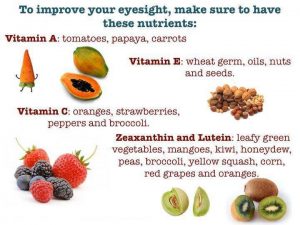
Your eye and your diet.
The diet we eat also plays a role in protecting our eyes from eye diseases. Vitamin deficiency can also impair retinal function. So learn to choose your diet properly and avoid food that can cause long term negative effect and damage the eye.
Your eye and Computer Screen/ other Screen
In our world today most means of reading or working involves looking at the screens of computers, mobile phones or other screens. People cannot stay without looking at the computer screen for long hours or even our mobile phone screen most especially in dark environments. This leads to retinal damage and has continually resulted to eye problems and eyesight challenges in most adults. It is advised to reduce exposing our eye to screen with so much brightness especially in dark environments where the screen is the only source of lightening. When using your computers, mobile phones or any other screen, it is advised to ensure the environment is adequately lit to reduce stress on the eye.
On the average, every human is said to blink the eye for 13662 times in a day. Using the computer for 5 hours a day can reduce this to about 10350 times. This explains that 5 hours of exposing our eyes to the computer screen alone reduces a person from blinking the eye for over 2000times in a day in total. Naturally, blinking of the eye is the only means of preventing the eye from dryness and keeps the eye healthy.
The 20-20-20 rules is a remedial means of helping our eye from being damaged due to long exposure to screens. The rule advices you look out of your work every 20mins at an object 20 feet away for 20 seconds.
Your eye and flying objects
Flying objects can be encountered in our work spaces depending on the nature of work we do, flying insects and many other situations that can raise particles into the air which might possibly get into the eyes. These are the reasons why in a typical work environment where flying particles are expected, personnel are mandatorily required to put on their eye goggles and protect their eyes from imminent danger. Some particles are so small that they may not be seen and taken out easily. With this situation, it is advised that when particles get into the eyes rather than rubbing it and causing more damage to the eye, lukewarm water should be used to flush the eye and take off particles.

Most swimmers frequently swim with their eyes bare, this is not too hygienic for the eyes, as most pools are treated with chemicals which may not be too good for the eyes.
So when next you get in the pool always endeavor to wear your swimming goggles.
Smoking and your eye health
Smoking has negative effect on our eye health. Cigarettes contain thousands of chemicals and these chemicals get into your bloodstream when you inhale the smoke. These chemicals cause damage to the macula, leading to loss of vision so the sooner you stop smoking, the better for your eye health. Smoking can even increase your risk of suffering from cataracts or retinal diseases, and if you have existing eye problems, the damage can only become much worse.

Always remember the eye is very important and needs to be protected.




 Let’s make it a culture…




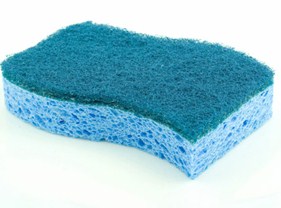 Scary isn’t it? Yes. All our utensils, dishes, pans, pots and silverwares must have to at one point or another pass through our sponges. Interestingly, it is the very fact of that, which makes the sponge one of the highest breeding ground for bacteria. Very tiny food particles are often inadvertently left on sponges even after rinsing with water and washed. This tiny food particles upon decaying (sometimes unnoticeably because of their small sizes) form attractions for flies and eventual breeding spots for bacteria. In most sponges, the very tiny crevices which are mostly invisible to the naked eyes are perfect hideouts for tiny food particles, which eventually become breeding spots for germs and bacteria.
 Food particles from plates left to soak or rinsed from dishes can serve as a breeding ground for pathogens including E. coli and
  Tiny particles of meat and other food stuff are very often left on the cutting board unintentionally. Many people just rinse their cutting board after cutting poultry products and meat, thereby leaving behind salmonella which is one of the commonest cause of food-borne illness. Unfortunately, the same cutting board used for cutting meat is used for cutting vegetables and salad resulting in cross-contamination.